8 Strange Cat Behaviors Finally Explained: Excessive Meowing, Sleeping on Clothes, Shedding, Fur Softening Tips, Splitting Nails, Scooting, and Balcony Obsessions
 8 Strange Cat Behaviors Finally Explained: Excessive Meowing, Sleeping on Clothes, Shedding, Fur Softening Tips, Splitting Nails, Scooting, and Balcony Obsessions
 8 Strange Cat Behaviors Finally Explained: Excessive Meowing, Sleeping on Clothes, Shedding, Fur Softening Tips, Splitting Nails, Scooting, and Balcony Obsessions
Hey there, fellow cat lover! If you’ve ever stared at your feline friend in bewilderment—wondering why they’re belting out a midnight symphony or turning your laundry basket into their personal throne—you’re not alone. Cats have a knack for keeping us on our toes with their enigmatic antics. As a pet parent who’s spent years decoding these furry enigmas (and consulting with vets along the way), I’ve compiled this ultimate guide to eight of the strangest cat behaviors that leave us scratching our heads. We’ll dive into the “why” behind each one, blending insights from feline instincts passed down from their wild ancestors with practical, everyday solutions to keep your kitty happy and your home sane.
Whether it’s that non-stop meowing that’s testing your patience or the fur tumbleweeds rolling across your floor, these quirks often stem from a mix of natural drives, health signals, and environmental cues. By the end, you’ll feel like a cat whisperer, armed with tips to nurture a stronger bond. Let’s pounce right in!
Decoding Your Cat’s Quirky World – Feline Instincts, Health Clues, and Everyday Solutions
Picture this: Your cat, that sleek shadow in your home, is more than just a cuddly companion—she’s a descendant of fierce hunters who roamed ancient savannas. Many of today’s “weird” behaviors are echoes of those survival tactics, adapted to our cozy apartments and kibble bowls. But not every oddity is harmless fun; some could flag underlying issues like stress, diet woes, or even medical concerns.
In this post, we’ll unpack each behavior with a trifecta of explanations: the root causes, the instinctual backstory, and actionable fixes. Drawing from veterinary wisdom and real-life cat-parent triumphs, these insights aim to transform confusion into confidence. Remember, if a behavior shifts suddenly or persists, a quick vet check is your best bet—better safe than sorry in the world of pet health.
Excessive Meowing in Cats: Why the Constant Chatter and How to Respond
Ah, the feline aria that starts at dawn and echoes through the halls. If your cat’s turned into a tiny opera singer, you’re probably wondering if it’s a cry for help or just dramatic flair.
Causes: Hunger, Stress, Attention-Seeking, or Underlying Medical Issues Like Hyperthyroidism
Excessive meowing often boils down to basic needs gone unmet. A rumbling tummy might prompt a polite reminder, but if it’s relentless, look deeper—stress from a new household change, like a relocated litter box, can amp up the volume. On the health front, conditions such as hyperthyroidism (common in older cats) crank up their metabolism, making them vocalize more as energy surges unchecked. Even cognitive decline in senior kitties can manifest as confused yowls at odd hours.
Behavioral Insights: Instinctual Communication from Territorial Ancestors
Back in the wild, cats weren’t big talkers—meows were mostly reserved for kittens summoning mom. Domestic life flipped the script; we’ve bred them to “speak” our language. That constant chatter? It’s your cat’s way of negotiating territory, demanding play, or simply saying, “Hey, human, I’m here!” It’s a sign of trust, really—they see you as family worth chatting with.
Solutions: Interactive Toys, Routine Checks, and Vet Consultations for Persistent Vocalization
Start simple: Establish a feeding schedule to rule out hunger, and introduce puzzle feeders to keep their mind engaged during “meow o’clock.” For stress, try pheromone diffusers like Feliway to mimic calming scents. If it’s non-stop, schedule a vet visit—bloodwork can spot thyroid issues early. Pro tip: Reward quiet moments with treats to reinforce the peace. Many cat parents report a 50% drop in meows within a week of consistent routines.
Why Cats Love Sleeping on Your Clothes: Comfort, Scent, and Security Explained
Nothing says “I own this house” like finding your cat curled up on your fresh-out-of-the-dryer sweater. It’s adorable, but why the laundry obsession?
Causes: Familiar Human Pheromones for Bonding and Anxiety Relief
Your clothes carry your scent—those comforting pheromones that scream “safety” to your cat. It’s not rebellion; it’s a bid for closeness, especially if they’re feeling insecure after a vet trip or houseguest invasion. Heat from the dryer mimics a warm nest, too, drawing them in like a magnet.
Behavioral Insights: Nesting Instinct Mimicking Safe Dens in the Wild
Wild cats sought hidden, scent-marked spots to rest, away from predators. Your hamper? It’s the modern equivalent—a soft, enclosed den infused with pack smells. This habit underscores their social side; by snoozing on your stuff, they’re weaving you into their territory, a subtle “you’re mine” declaration.
Solutions: Designated Cozy Beds and Laundry Habits to Redirect Without Frustration
Combat the takeover with cat-specific alternatives: A heated pad in a covered bed, spritzed with your worn T-shirt for that familiar aroma. Store clean laundry in lidded bins to break the cycle gently. Over time, positive reinforcement—like treats near their new spot—shifts the routine. One owner I know turned a wicker basket into a “scent station,” and poof—sweater invasions ceased.
Cat Shedding Season: Understanding Heavy Fur Loss and Seasonal Patterns
If your home looks like a fur factory exploded, welcome to shedding central. But is it normal, or a sign of something amiss?
Causes: Hormonal Changes, Diet Deficiencies, Allergies, or Stress Triggers
Spring and fall trigger natural molts via daylight shifts, but excessive shedding might point to omega-3 shortages in their diet, skin allergies from fleas, or even anxiety-induced over-grooming. Indoor cats shed year-round due to stable temps, amplifying the fluff storm.
Behavioral Insights: Natural Grooming Cycles Tied to Environmental Adaptation
Cats are grooming pros—spending up to 50% of their day licking to regulate body temp and spread oils. Shedding evolved as a cooling mechanism in arid wilds, but in our controlled climates, it becomes a perpetual refresh. It’s their way of staying sleek and scent-free from rivals.
Solutions: Brushing Routines, Omega-Rich Foods, and Allergy Testing for Reduced Mess
Arm yourself with a slicker brush for daily sessions; it removes loose fur and bonds you closer. Boost their meals with fish oil supplements for lustrous coats—aim for 250mg EPA/DHA daily. If clumps persist, a vet allergy panel can pinpoint culprits like food sensitivities. Regular grooming cuts vacuum time in half, trust me.
Tips to Make Cat Fur Softer: Nutrition, Grooming, and Hydration Hacks

Dull, brittle fur isn’t just an eyesore—it’s a clue your cat’s missing out on TLC. Let’s fluff things up!
Causes: Dry Skin from Poor Diet, Low Humidity, or Breed-Specific Traits
Dehydrated air from heaters, low-fat kibble, or breeds like Siamese with finer coats can leave fur rough. Parasites or thyroid imbalances sneak in as silent saboteurs, too.
Behavioral Insights: Shinier Coats as a Sign of Overall Feline Well-Being
A glossy coat signals thriving health—vital for camouflage and insulation in the wild. When it’s soft, it’s proof their self-grooming ritual is paying off, boosting confidence in hunts (or zoomies around the living room).
Solutions: Salmon Oil Supplements, Weekly Baths, and Moisture-Boosting Environments
Prioritize wet food or fountains to up hydration—cats often skimp on water bowls. Add a teaspoon of salmon oil to meals for fatty acids that penetrate the skin. Gentle oatmeal shampoos during baths (once weekly max) restore moisture without stripping oils. Humidifiers in dry rooms work wonders; my cat’s coat went from straw-like to silk in a month.
Cat Nails Splitting: Common Causes, Prevention, and Safe Trimming Advice
Split nails? Ouch for you both—your cat’s paws are their world, and cracks can spell pain or infection.
Causes: Nutritional Gaps, Overgrowth, or Accidental Trauma During Play
Biotin deficiencies from unbalanced diets, unchecked growth leading to snags, or roughhousing mishaps are prime culprits. Older cats face brittle nails from slowed metabolism.
Behavioral Insights: Scratching as Essential Claw Maintenance in Domestic Cats
In the wild, claws sharpened on trees for climbing and combat—today, it’s couch carnage for the same reason. Splitting disrupts this ritual, causing frustration and uneven wear.
Solutions: Biotin-Enriched Diets, Regular Clipping Tools, and Vet-Recommended Supplements
Fortify food with biotin-rich treats like eggs or vet-formulated chews. Invest in guillotine-style clippers for bi-weekly trims—cut just the tip, avoiding the quick. If splits recur, supplements like Keragen can rebuild strength. Always file edges post-trim to prevent snags.
Scooting in Cats (and Why It Happens): Anal Gland Issues and Hygiene Fixes
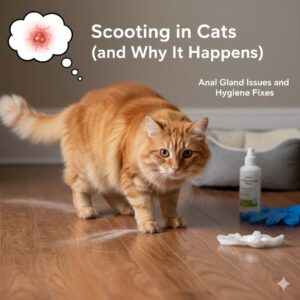
That butt-drag across the carpet? It’s equal parts hilarious and concerning—let’s get to the bottom of it.
Causes: Impacted Glands, Parasites, Allergies, or Post-Grooming Irritation
Full anal sacs (meant to express during poops) build pressure, prompting the scoot for relief. Worms, food allergies, or overzealous licking add to the itch.
Behavioral Insights: Instinctual Cleaning Mimicking Wild Self-Care Rituals
Wild cats scooted on grass to wipe and mark territory—it’s an ancient hygiene hack. Domestically, it’s a red flag when rugs replace roughage, signaling imbalance.
Solutions: Expression Techniques, Fiber-Rich Diets, and Immediate Vet Exams for Infections
High-fiber kibble (like pumpkin add-ins) promotes natural expression. Learn gentle manual squeezes from your vet, but skip DIY if unsure. Deworming and hypoallergenic trials tackle root causes—scooting often vanishes post-treatment.
Cat Balcony Obsessions: Curiosity, Hunting Drives, and Safe Outdoor Access
Your cat’s balcony vigil, tail twitching at every bird? It’s thrilling—until “high-rise syndrome” looms.
Causes: Territorial Exploration or Prey Fascination Through Vertical Spaces
Boredom plus innate curiosity draws them to edges; a fluttering leaf ignites pounce mode, overriding caution.
Behavioral Insights: High-Rise Syndrome Risks from Innate Climbing Instincts
Tree-climbing ancestors ruled rooftops, but urban heights spell danger—falls from balconies cause thousands of injuries yearly. It’s their explorer spirit clashing with modern perils.
Solutions: Enclosed Enclosures, Window Perches, and Supervision to Prevent Falls
Build or buy catios—screened balcony extensions for safe adventures. Suction perches offer bird’s-eye views without risks. Leash training for supervised strolls adds thrill minus terror. Mesh barriers are a must; one setup saved my neighbor’s daredevil from a tumble.
When Strange Cat Behaviors Signal Bigger Issues: Red Flags and Next Steps
We’ve covered the quirks, but patterns matter. Excessive combos—like meowing plus shedding—might whisper “check-up time.”
Overview: Holistic View of Interconnected Feline Habits and Pet Health Monitoring
Behaviors don’t exist in silos; stress might spark shedding and scooting, while diet ties fur softness to nail health. Tracking via apps reveals trends.
Veterinary Tips: Signs Like Sudden Changes Warranting Professional Evaluation
Watch for appetite loss, lethargy, or aggression spikes—these elevate quirks to concerns. Annual wellness exams catch stealth issues early.
Final Thoughts: Building Trust Through Enrichment for a Balanced Cat-Parent Bond
Embrace the weird—it’s what makes cats magical. Enrichment like puzzle toys and vertical spaces honors their spirit, reducing oddities naturally. You’re not just decoding behaviors; you’re deepening that unspoken pact. Got a quirky tale? Share in the comments—let’s swap stories and keep our cats purring.
There you have it: Your roadmap to a mystery-free feline life. If these tips resonate, pin this post for later and consult your vet for personalized advice. Happy herding, cat crew! 🐱

Common Cat Skin Conditions: Atopic Dermatitis, Flea Allergies, Mites, Hot Spots, Scabs, Food Allergies, and Fungal Infections
Cat Eye and Ear Problems: Infections, Hematomas, Cleaning Tips, Surgery Recovery, and the Best Eye Drops