Cat Eye and Ear Problems: Infections, Hematomas, Cleaning Tips, Surgery Recovery, and the Best Eye Drops
Cat Eye and Ear Problems: Infections, Hematomas, Cleaning Tips, Surgery Recovery, and the Best Eye Drops
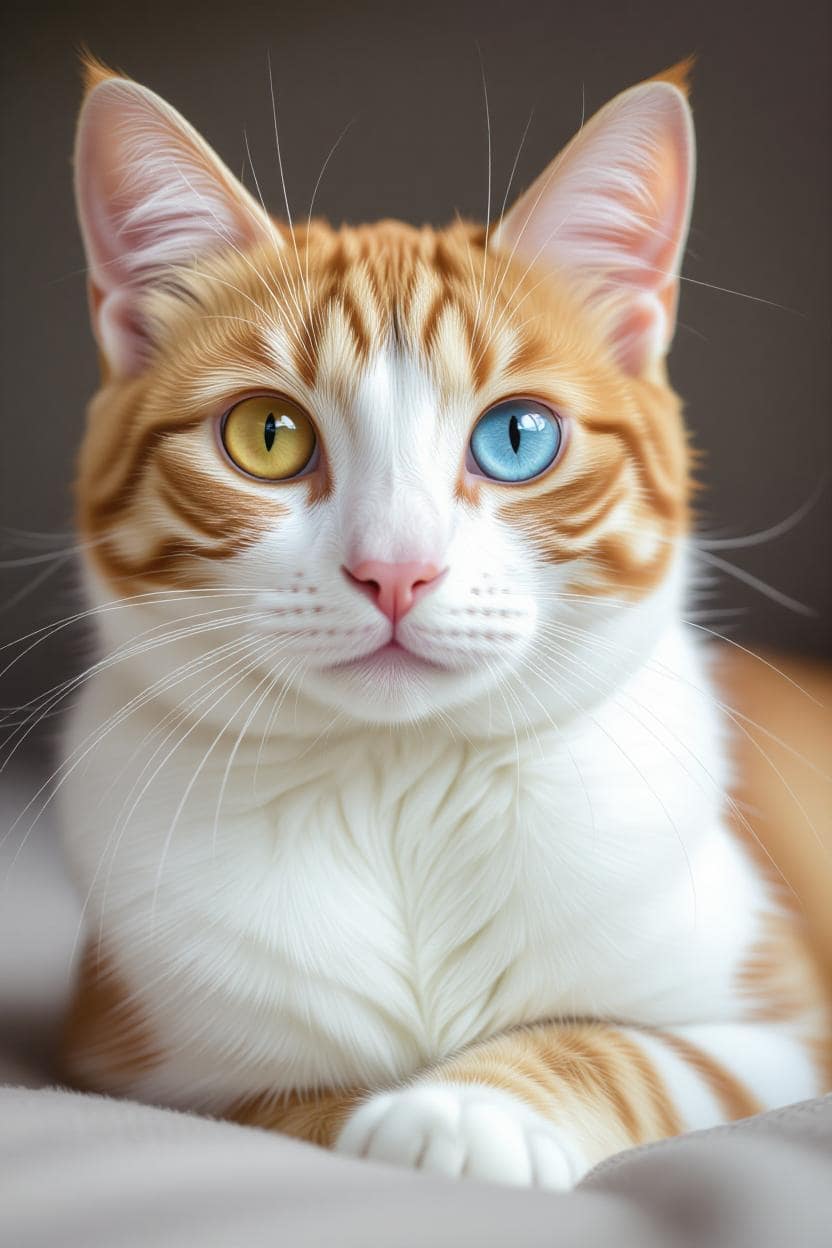
As a cat owner, you’ve probably noticed how your feline friend relies on their sharp senses to navigate the world. Eyes that sparkle with curiosity and ears that twitch at the slightest sound are hallmarks of a healthy cat. But when issues arise in these areas, it can be distressing for both you and your pet. Eye and ear problems are among the most common health concerns for cats, ranging from mild irritations to more serious conditions that require prompt attention. In this comprehensive guide, we’ll explore everything from infections and hematomas to practical care tips, helping you keep your cat comfortable and healthy.
Whether your cat is scratching at their ears or squinting unusually, understanding these issues can make all the difference. We’ll break down symptoms, causes, treatments, and prevention strategies based on insights from veterinary experts. Remember, while this information is helpful, it’s not a substitute for professional veterinary advice—always consult your vet for personalized care.
Cat Eye and Ear Health
Cats are masters of subtlety, often hiding discomfort until problems escalate. Eye and ear issues affect countless felines each year, stemming from their curious nature and exposure to everyday irritants. Why are these problems so prevalent? Cats explore with their faces forward, making their eyes and ears vulnerable to scratches, allergens, and pathogens. Indoor cats might encounter dust or mites, while outdoor adventurers face pollen, fights, or parasites.
Early detection is crucial because untreated issues can lead to chronic pain, vision loss, or hearing impairment. For instance, a simple infection might progress to a deeper problem if ignored. Spotting changes like excessive blinking or head tilting early allows for swift intervention, often resolving matters with minimal fuss. In the sections ahead, we’ll dive into specifics, empowering you to monitor and maintain your cat’s sensory health effectively. This knowledge not only helps in managing current concerns but also in preventing future ones, ensuring your cat enjoys a vibrant, comfortable life.
Why eye and ear problems are common in cats
From kittens batting at toys to seniors lounging in sunbeams, cats of all ages can develop these issues. Their anatomy plays a role: flat-faced breeds like Persians are prone to eye problems due to shallow sockets, while long-eared varieties might trap moisture, breeding bacteria. Environmental factors, such as humid climates or multi-pet households, increase risks too. Statistically, veterinary visits for eye and ear complaints rank high, with infections topping the list.
Importance of early detection and treatment
Catching problems early prevents complications like scarring or secondary infections. Regular home checks—gently examining eyes for clarity and ears for cleanliness—can alert you to changes. Treatment success rates soar with prompt action; for example, viral eye issues in kittens respond well to early care, avoiding long-term damage. Always prioritize vet consultations over self-diagnosis to tailor solutions to your cat’s needs.
2. Common Cat Eye Problems
Eyes are windows to your cat’s health, and problems here can signal broader issues. Let’s explore the most frequent concerns, starting with inflammation and moving to more severe conditions.
Conjunctivitis in Cats
What is conjunctivitis? (Definition and overview)
Conjunctivitis, often called pink eye in cats, involves inflammation of the thin membrane covering the eye and inner eyelids. It’s not a standalone disease but a symptom of underlying irritants or infections, affecting one or both eyes.885e98 This condition is widespread, especially in multi-cat environments where it spreads easily.
Symptoms of conjunctivitis (redness, discharge, squinting)
Look for reddened eyes, watery or thick discharge that might crust over, and frequent squinting or pawing at the face. Your cat may seem more sensitive to light, with swollen lids adding to their discomfort.77c317 In severe cases, the third eyelid might protrude, giving a hazy appearance.
Causes (viral, bacterial, allergies)
Viruses like feline herpesvirus are prime culprits, especially in kittens or stressed cats.cfc4bc Bacterial strains, allergens from pollen or dust, or even chlamydia can trigger it.de05c3 Non-infectious causes include irritants like smoke or foreign particles.
Treatment options (medications, home care)
Veterinarians often prescribe topical antibiotics or antivirals, sometimes combined with anti-inflammatory drops.7a5768 Home care involves gentle cleaning with saline wipes and keeping the area dry. For allergic cases, antihistamines might help, but always under vet guidance to avoid worsening the issue.
Corneal Ulcers in Cats
Understanding corneal ulcers
These are erosions on the eye’s clear outer layer, the cornea, which protects the inner structures. If untreated, they can deepen, risking perforation and vision loss.5852e7 They’re painful and common in active cats.
Symptoms (cloudiness, pain, tearing)
Signs include a cloudy or bluish cornea, excessive tearing, and visible discomfort like rubbing the eye.f4d168 Your cat might keep the eye closed or show behavioral changes, such as reduced appetite from pain.
Causes (trauma, infections, foreign objects)
Trauma from scratches or fights is the leading cause, followed by infections or dry eye conditions.ed346f Foreign bodies like grass seeds can embed, exacerbating the ulcer.
Diagnosis and treatment (eye drops, surgery)
Vets use fluorescein dye to highlight ulcers during exams.b6ed87 Treatment includes antibiotic drops to prevent infection and pain relief; severe cases may need surgery like a conjunctival flap.bd5325
Other Eye Infections in Cats
Types of infections (bacterial, viral, fungal)
Beyond conjunctivitis, bacterial infections cause pus-like discharge, viral ones like herpes lead to recurrent flares, and rare fungal types stem from soil exposure.
Symptoms and warning signs
Watch for discharge varying in color, swelling, or behavioral shifts like lethargy.641efa Red flags include rapid worsening or involvement of both eyes.
When to see a veterinarian
Seek care if symptoms persist beyond 24 hours or if there’s blood, severe pain, or vision changes. Early vet visits prevent complications.
3. Common Cat Ear Problems
Ears are equally vital, and issues here can disrupt balance and comfort. From infections to swellings, here’s what to know.
Ear Infections in Cats (Otitis Externa)
What causes ear infections? (bacteria, yeast, mites)
Bacteria and yeast thrive in warm, moist ears, while mites like Otodectes cynotis are common parasites. Allergies or polyps can predispose cats.
Symptoms (scratching, odor, discharge)
Persistent scratching, foul odors, dark discharge, and head shaking are telltale.931ee4 Balance issues might indicate deeper involvement.
Diagnosis and treatment options (medications, cleaning)
Vets swab for microscopy, then prescribe ear drops with antibiotics or antifungals.31ff84 Cleaning is key to remove debris.
Aural Hematoma in Cats
What is an aural hematoma?
This is a blood-filled swelling in the ear flap from ruptured vessels.b23d63 It feels soft and fluctuant.
Causes (trauma, scratching, underlying infections)
Often from self-trauma due to infections or allergies.c844e0 Shaking the head violently breaks blood vessels.
Symptoms (swollen ear flap, pain)
The ear appears puffy and tender, with your cat avoiding touch.f91c1d
Treatment and surgical options
Drainage or surgery to quilt the layers prevents refilling.d71a10 Address underlying causes simultaneously.
Ear Hematoma Surgery Recovery
What to expect after surgery
Post-op, the ear is bandaged, and your cat wears a cone.a0b962
Post-operative care tips (bandages, pain management)
Keep bandages dry, administer pain meds, and monitor for swelling.45a581 Restrict activity.
Recovery timeline and complications to watch for
Healing takes 1-3 weeks; watch for infection or recurrence.251f90 Complications include scarring if not managed.
4. How to Clean Your Cat’s Ears Safely
Maintaining ear hygiene prevents many problems, but do it right to avoid harm.
Why regular ear cleaning is important
It removes wax and debris, reducing infection risks, especially for prone breeds.aaec00
Step-by-step guide to cleaning cat ears
Gather supplies: vet-approved cleaner, cotton balls, treats.
Hold your cat gently, warm the cleaner.
Apply drops into the canal, massage base for 10-20 seconds.
Let them shake out excess, wipe outer ear with cotton.
Reward and repeat weekly if needed.
Recommended ear cleaning solutions
Use pH-balanced products like those with chlorhexidine; avoid alcohol.7f5ca5
Signs of improper cleaning (e.g., warm ears, irritation)
Redness, warmth, or increased scratching signal issues—stop and consult a vet.484175
5. The Best Cat Eye Drops for Infections and Ulcers
Eye drops are frontline defenses, but choose wisely.
Types of eye drops (antibiotic, anti-inflammatory, lubricating)
Antibiotics fight bacteria, anti-inflammatories reduce swelling, lubricants soothe dryness.dd8cb8
Top veterinarian-recommended products
Terramycin for broad-spectrum coverage, Ofloxacin for stubborn infections, or lubricating gels for ulcers.111045818476
How to apply eye drops safely
Restrain gently, tilt head back, drop in without touching the eye, then massage closed lids.7b4b86
Precautions and side effects
Avoid self-medicating; watch for allergic reactions like increased redness.9b757d
6. Symptoms to Watch For: When to See a Vet
Vigilance saves lives—know the thresholds.
Red flags for eye and ear issues (e.g., warm ears, persistent discharge)
Warm ears might indicate fever or infection; persistent discharge or swelling demands attention.
How to differentiate minor issues from emergencies
Minor: Brief mild discharge. Emergency: Sudden swelling, blood, or lethargy.
Preparing for a veterinary visit
Note symptoms’ onset, bring photos, and list recent changes in environment or diet.
7. Prevention Tips for Cat Eye and Ear Health
Proactive care is the best medicine.
Routine care to prevent infections and hematomas
Regular check-ups, vaccinations against viruses, and parasite control.3dc720
Grooming and hygiene best practices
Weekly ear checks, gentle eye wiping with damp cloths, and nail trims to prevent scratches.350d26
Diet and environmental factors
Omega-rich diets support skin health; keep homes dust-free and humidity balanced.c08721
8. Frequently Asked Questions (FAQs)
Can cat eye infections spread to humans?
Rarely, but bacterial types like chlamydia might; practice hygiene.c1cd7d
How long does ear hematoma surgery recovery take?
Typically 1-3 weeks, with full healing in a month.50ec42
Are warm cat ears always a sign of infection?
Not always—could be normal or from environment, but check for other symptoms.ced294e62386
What are the best over-the-counter eye drops for cats?
Saline solutions for mild cleaning, but consult vets for medicated ones like Terramycin.4b9bbb
Other common queries: How do I know if my cat has mites? Look for coffee-ground discharge.be308b Can hematomas resolve without surgery? Sometimes small ones, but monitor.59bbd8 Why does my cat keep getting infections? Allergies or immune issues—test for them.b30793
9. Conclusion
We’ve covered the gamut of cat eye and ear woes, from spotting conjunctivitis to recovering from hematoma surgery. Key takeaways: Monitor regularly, clean gently, and act fast on symptoms. With prevention at the forefront—through diet, hygiene, and check-ups—you can minimize risks. If issues linger, don’t hesitate to visit your vet; they’re your partner in keeping your cat purring happily. Your furry companion deserves clear vision and keen hearing for all their adventures ahead.

Soft Tissue Trauma in Cats: Symptoms, Causes & Treatment Guide

Are Apple Cores and Seeds Safe for Pets? Myths Busted

3 Comments