Common Cat Skin Conditions: Atopic Dermatitis, Flea Allergies, Mites, Hot Spots, Scabs, Food Allergies, and Fungal Infections
 Common Cat Skin Conditions: Allergies, Hot Spots, Mites & More
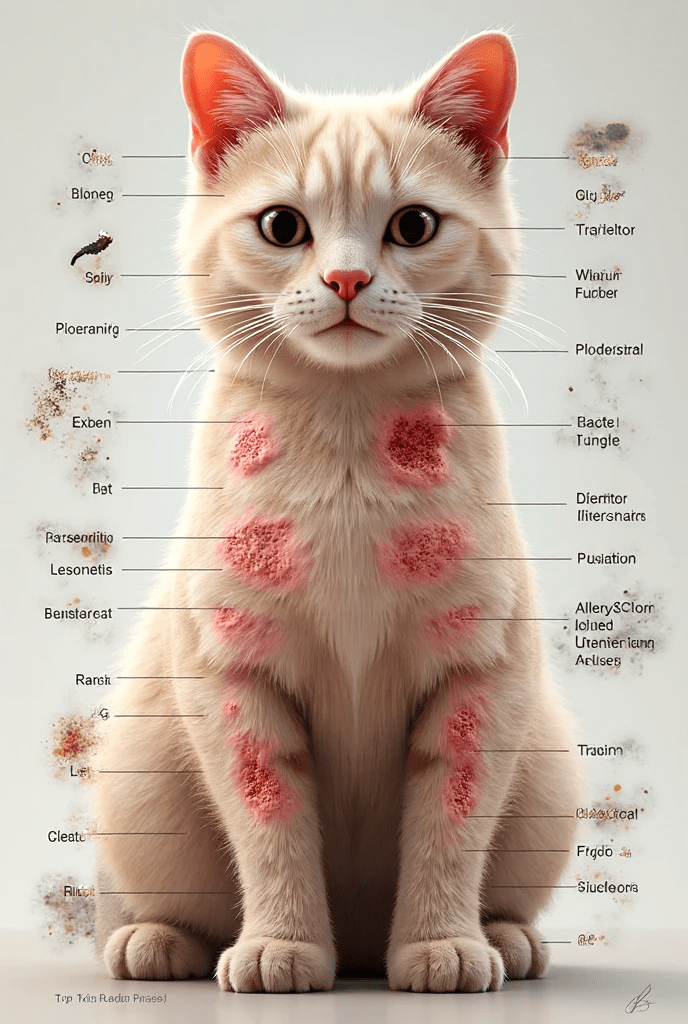 Common Cat Skin Conditions: Allergies, Hot Spots, Mites & More
Cats are known for their sleek coats and graceful grooming habits, but when skin problems arise, they can cause discomfort and distress for both pets and their owners. From relentless itching to unsightly scabs, cat skin conditions are surprisingly common and often tricky to diagnose. This comprehensive guide explores the most frequent feline skin issues—including atopic dermatitis, flea allergies, mites, hot spots, scabby skin, food allergies, and fungal infections. We’ll dive into their causes, symptoms, treatments, and prevention strategies to help you keep your cat’s skin healthy and their purrs happy.
Introduction to Cat Skin Conditions
Your cat’s skin is their largest organ, acting as a protective barrier against the environment. But when something goes wrong, it can lead to itching, hair loss, or even painful sores. Skin conditions in cats are often caused by allergies, parasites, infections, or underlying health issues, and they can range from mild irritations to chronic problems requiring veterinary care. Early detection is key to preventing discomfort and complications. In this guide, we’ll break down the most common cat skin conditions, offering practical advice to help you recognize symptoms and take action.
Understanding Atopic Dermatitis in Cats
What is Feline Atopic Dermatitis?
Atopic dermatitis, often called “feline atopy,” is an allergic skin condition triggered by environmental allergens like pollen, dust mites, or mold. Unlike seasonal allergies in humans, cats with atopic dermatitis may suffer year-round due to their sensitive immune systems.
Symptoms
- Intense itching, especially around the head, neck, and ears
- Red, inflamed skin or scabs from scratching
- Hair loss in affected areas
- Ear infections or thickened skin from chronic irritation
Causes Atopic dermatitis stems from genetic predisposition combined with exposure to environmental triggers. Common allergens include grass, tree pollen, or even household dust. Stress or secondary infections can worsen symptoms.
Diagnosis and Treatment Options
A veterinarian will diagnose atopic dermatitis through a physical exam, ruling out other causes like fleas or food allergies. Tests like skin scrapings or allergy panels may be used. Treatment often includes:
- Antihistamines or steroids to reduce itching and inflammation
- Immunotherapy (allergy shots or drops) for long-term relief
- Topical treatments like medicated shampoos or sprays
- Environmental management, such as air purifiers or frequent cleaning
Early intervention can prevent chronic issues, so consult your vet if your cat’s scratching seems excessive.
Flea Allergies in Cats: A Common Culprit
What is Flea Allergy Dermatitis (FAD)?
Flea allergy dermatitis is one of the most common causes of skin issues in cats. A single flea bite can trigger an intense allergic reaction in sensitive cats, leading to severe itching and skin damage.
Signs
- Excessive scratching, especially at the base of the tail or neck
- Hair loss or thinning in patches
- Hot spots (red, wet sores) from overgrooming
- Tiny black “flea dirt” (flea feces) in the fur
Connection to Cat and Dog Fleas
Fleas don’t discriminate between cats and dogs, and a shared environment can lead to infestations. Even indoor cats can get fleas from other pets or humans tracking them inside.
Treatment and Flea Prevention Strategies
- Flea control: Use vet-recommended topical or oral flea preventatives (e.g., Revolution, Frontline).
- Environmental cleaning: Vacuum carpets, wash bedding, and treat your home with flea sprays.
- Medications: Steroids or antihistamines to relieve itching.
- Grooming: Regular brushing to monitor for fleas or skin changes. Year-round flea prevention is essential, as even one bite can reignite symptoms in allergic cats.
Mites in Cats: Tiny Pests, Big Problems
Types of Mites Affecting Cats
Mites are microscopic parasites that burrow into or live on a cat’s skin. Common types include:
- Ear mites (Otodectes cynotis): Cause ear irritation and black discharge.
- Demodex mites: Linked to mange, leading to hair loss and scaling.
- Cheyletiella mites: Cause “walking dandruff” with flaky skin.
Symptoms
- Intense itching or head shaking (especially with ear mites)
- Crusty or scabby skin patches
- Hair loss or thinning fur
- Redness or secondary infections from scratching
Diagnosis and Veterinary Treatments
Vets diagnose mites via skin scrapings or ear swabs under a microscope. Treatments include:
- Topical or injectable medications: Ivermectin or selamectin for mange or ear mites.
- Antibiotics: For secondary bacterial infections.
- Cleaning: Regular ear cleaning for ear mite cases.
Home Care and Prevention Tips
- Keep your cat’s environment clean and dust-free.
- Isolate affected cats to prevent mite spread to other pets.
- Regular vet checkups to catch infestations early.
Hot Spots in Cats: Acute Skin Irritation
What are Hot Spots in Cats?
Hot spots, or acute moist dermatitis, are painful, red, and wet sores caused by intense scratching or licking. They develop quickly and can worsen without prompt care.
Causes
- Flea bites or allergies triggering overgrooming
- Stress or anxiety leading to compulsive licking
- Matted fur trapping moisture and bacteria
Symptoms
- Red, oozing patches, often on the neck or hindquarters
- Hair loss around the sore
- Pain or sensitivity when touched
Treatment and Management Techniques
- Veterinary care: Shaving the area and applying medicated creams or antibiotics.
- Elizabethan collar: Prevents further licking or scratching.
- Address underlying causes: Treat fleas, allergies, or stress.
- Home care: Keep the area clean and dry to promote healing.
Hot spots heal faster with early intervention, so don’t delay a vet visit.
Scabby Cat Disease and Skin Rashes
What is “Scabby Cat Disease”?
Often called miliary dermatitis, “scabby cat disease” describes small, crusty scabs across a cat’s skin, resembling millet seeds. It’s not a disease but a symptom of underlying issues.
Symptoms
- Tiny scabs, especially on the back, neck, or tail base
- Intense itching or grooming
- Red, inflamed skin or rashes
- Hair loss in severe cases
Common Causes
- Flea allergies (the leading cause)
- Food or environmental allergies
- Parasites like mites or fungal infections
How to Treat and Soothe Scabby Skin
- Identify the cause: Vets may use skin tests or elimination diets.
- Medications: Antihistamines, steroids, or antibiotics for infections.
- Topical relief: Medicated shampoos or sprays to soothe skin.
- Flea control: Essential to rule out parasite-related scabs.
Regular grooming and vet checkups can help prevent recurrence.
Cat Food Allergies and Skin Reactions
Most Common Cat Food Allergies
Food allergies in cats are often triggered by proteins like chicken, beef, fish, or dairy, though grains or additives can also be culprits.
Symptoms
- Itchy skin, especially around the head and ears
- Scabs, rashes, or hair loss
- Ear infections or gastrointestinal issues (e.g., vomiting)
- Chronic paw licking
Diagnosis
Vets use elimination diets, feeding a novel protein (e.g., duck or venison) for 8–12 weeks to pinpoint allergens. Blood or skin tests are less reliable for food allergies.
Managing Food Allergies for Long-Term Relief
- Hypoallergenic diets: Prescription or limited-ingredient foods.
- Avoid triggers: Stick to safe proteins after diagnosis.
- Supplements: Omega-3 fatty acids to support skin health.
- Monitor symptoms: Watch for recurrence during diet trials.
Patience is key, as food allergy management requires consistent dietary control.
Fungal Infections in Cats
Common Fungal Infections
- Ringworm: A contagious fungal infection (not a worm) causing circular patches.
- Yeast infections: Often in ears or skin folds, linked to allergies or moisture.
Symptoms
- Circular areas of hair loss with scaling or crusts
- Red, itchy skin or greasy patches (yeast)
- Brittle or broken hairs
- Dark ear discharge (yeast infections)
Diagnosis and Antifungal Treatments
Vets diagnose fungal infections via skin cultures, UV light (for ringworm), or microscopy. Treatments include:
- Antifungal medications: Oral (e.g., itraconazole) or topical (e.g., miconazole).
- Medicated baths: Lime sulfur dips or antifungal shampoos.
- Environmental decontamination: Wash bedding and vacuum to prevent reinfection.
Preventing Spread
Ringworm is highly contagious to other pets and humans. Isolate affected cats, wear gloves when handling, and disinfect surfaces regularly.
Other Common Cat Skin Conditions
- Bacterial Infections: Often secondary to scratching, causing abscesses or crusty sores. Treated with antibiotics.
- Contact Allergies: Rare but triggered by irritants like certain shampoos or bedding. Avoid exposure and use hypoallergenic products.
- Stress-Related Skin Issues: Overgrooming due to anxiety can lead to hair loss or sores. Address with environmental enrichment or vet-prescribed anti-anxiety meds.
Diagnosing Cat Skin Conditions
Accurate diagnosis is critical to effective treatment. Vets may:
- Perform skin scrapings or biopsies to check for parasites or infections.
- Use allergy testing or elimination diets to identify triggers.
- Conduct blood tests to rule out systemic issues.
If your cat shows persistent itching, hair loss, or scabs, schedule a vet visit promptly to avoid complications.
Treatment Options for Cat Skin Conditions
Medications
- Antihistamines: Reduce itching for mild allergies.
- Steroids: Control inflammation in severe cases (use cautiously).
- Antibiotics or antifungals: Treat infections.
Topical Treatments
- Medicated shampoos or sprays to soothe skin.
- Ear cleaners for mite or yeast infections.
Home Remedies and Supportive Care
- Oatmeal baths or aloe vera for mild irritation (vet-approved).
- Regular grooming to monitor skin health.
Long-Term Management
Chronic conditions like atopic dermatitis may require ongoing meds, dietary changes, or immunotherapy.
Preventing Skin Problems in Cats
- Flea Control: Use monthly preventatives and treat your home.
- Grooming: Brush regularly to remove allergens and check for issues.
- Nutrition: Feed high-quality, skin-supporting diets rich in omega-3s.
- Environmental Management: Reduce allergens with air filters, hypoallergenic bedding, and frequent cleaning.
Frequently Asked Questions (FAQs)
What causes scabs on a cat’s skin? Scabs are often due to flea allergies, miliary dermatitis, or infections. A vet can pinpoint the cause.
Can cat skin allergies be cured? Most allergies are managed, not cured, through avoidance, meds, or immunotherapy.
How do I know if my cat has fleas or mites? Look for flea dirt, excessive scratching, or crusty skin. Vets confirm with skin or ear tests.
Are fungal infections in cats contagious? Yes, especially ringworm. Isolate your cat and disinfect their environment.
Conclusion: Keeping Your Cat’s Skin Healthy
Cat skin conditions like atopic dermatitis, flea allergies, mites, hot spots, and fungal infections can be distressing, but with the right knowledge and care, you can help your feline friend feel comfortable again. Regular grooming, flea prevention, and a healthy diet are your first lines of defense. If you notice persistent itching, scabs, or hair loss, consult a veterinarian for a tailored treatment plan. By staying proactive, you can ensure your cat’s coat stays as vibrant as their personality.
Top 5 Deadly Cat Diseases: Liver Issues, Infections, Parasites & Distemper Causes

Cat Sneezing and Coughing: Causes, Symptoms, and Treatment in Cats