Cat Sneezing and Coughing: Causes, Symptoms, and Treatment in Cats
Cat Sneezing and Coughing: Causes, Symptoms, and Treatment in Cats
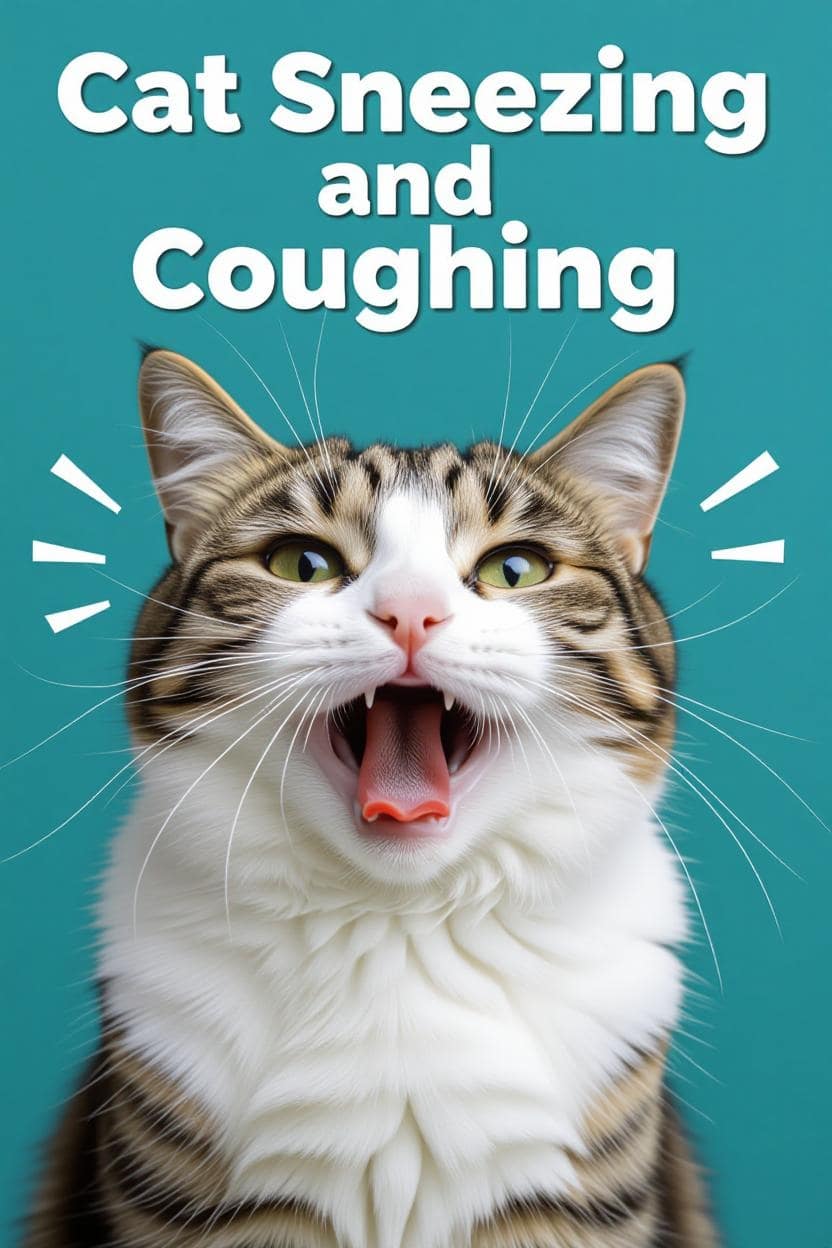
As any cat parent knows, our feline companions are masters of mystery. One day they’re gracefully leaping onto the kitchen counter, and the next, they’re unleashing a barrage of sneezes that echo through the house like tiny explosions. Or perhaps you’ve noticed your cat hacking away in a way that sounds more serious than just another hairball episode. Sneezing and coughing in cats are common issues, but they can signal anything from a minor irritation to a more significant health problem. If you’re reading this, chances are you’ve typed “cat sneezing” into Google more times than you’d like to admit, wondering if it’s time to call the vet or if it’s just dust from that old rug.
In this comprehensive guide, we’ll dive deep into the world of cat sneezing and coughing. We’ll cover the causes—ranging from everyday allergens to sneaky infections—along with symptoms to watch for and treatment options that can get your kitty back to their playful self. Drawing from reliable veterinary insights, we’ll also touch on related issues like reverse sneezing, nasal foreign bodies, and even those watery, squinting eyes that often tag along. By the end, you’ll feel equipped to spot the signs early and take action, potentially saving your cat from discomfort and yourself from worry. Remember, while this article is packed with information, it’s not a substitute for professional veterinary advice. Always consult your vet for personalized care.
Let’s start by understanding why cats sneeze and cough in the first place. Sneezing is essentially your cat’s way of clearing their nasal passages, much like how we do when pollen gets the best of us. It’s a reflex triggered by irritation in the nose or throat. Coughing, on the other hand, is more about expelling irritants from the lower airways, like the trachea or lungs. Both can be occasional and harmless, but when they become frequent or are accompanied by other symptoms, it’s time to investigate.
According to veterinary experts, upper respiratory issues affect millions of cats each year, especially in multi-cat households or shelters where viruses spread easily.dff187 Factors like age, environment, and overall health play a big role—kittens and senior cats are often more vulnerable.
One of the most alarming yet often benign phenomena is reverse sneezing. If you’ve ever seen your cat suddenly extend their neck, make a honking sound, and look like they’re struggling to breathe, you might have witnessed this. It’s not a true sneeze but a spasm in the throat that helps clear out irritants from the back of the nasal cavity. While it can look scary, it’s usually harmless and resolves in seconds. However, if it happens frequently, it could point to underlying allergies or nasal mites.
Now, imagine this scenario: Your cat, Whiskers, starts sneezing after you bring home a new plant. At first, it’s cute—a little “achoo” here and there. But then the sneezes multiply, and soon there’s nasal discharge involved. This is a classic sign that something’s amiss. In the sections ahead, we’ll break down the culprits behind these symptoms, helping you decode what your cat’s body is trying to tell you.
Understanding Sneezing in Cats: Normal vs. Concerning
Sneezing is a natural bodily function for cats, just as it is for humans. It’s their built-in mechanism to expel dust, pollen, or other particles from the nasal passages. An occasional sneeze after exploring a dusty corner or during allergy season? Totally normal. But when sneezing becomes persistent—say, multiple times a day—or is paired with other signs like lethargy or loss of appetite, it’s a red flag that warrants attention.
Let’s differentiate between types of sneezing. Regular sneezing involves a forward expulsion of air through the nose, often with a spray of mucus if there’s an infection brewing. Reverse sneezing, as mentioned, is backward—your cat inhales sharply while trying to clear the nasopharynx (the area behind the nose).f65125 It can be triggered by excitement, eating too quickly, or even strong odors. In cats, reverse sneezing is less common than in dogs but still occurs, especially in breeds with flat faces like Persians.
Symptoms to monitor include the frequency and intensity. If your cat is sneezing blood, that’s an emergency— it could indicate trauma or a severe infection.cb4ea9 Also, note the discharge: Clear and watery might suggest allergies, while thick and yellow-green points to bacterial involvement.f8edf4 Cats with chronic sneezing might develop secondary issues, like weight loss from not eating due to a stuffy nose.
From my own experience as a cat enthusiast (I’ve fostered over a dozen rescues), I’ve seen how quickly sneezing can escalate. One kitten I had started with mild sneezes after adoption, but it turned out to be a viral upper respiratory infection (URI) from the shelter. Early intervention with vet-prescribed antibiotics made all the difference. The key is observation: Track patterns, like if sneezing worsens after vacuuming or around certain foods.
In terms of prevalence, URIs are the top cause of sneezing in cats, accounting for up to 90% of cases in young or unvaccinated felines.c23263 These infections are highly contagious, spreading through sneezes or shared bowls. Vaccinations can prevent many, but not all, strains. If your cat’s sneezing is isolated, home remedies like a humidifier might help, but persistent cases need professional evaluation to rule out polyps or tumors, though rare.
Common Causes of Cat Sneezing
Diving into the root causes, sneezing in cats stems from a variety of irritants and illnesses. Let’s unpack the most frequent offenders.
First up: Infections. Viral ones like feline herpesvirus (FHV) and calicivirus are rampant, causing what’s known as “cat flu.”8e857d Symptoms include sneezing, runny nose, and fever. These viruses can lie dormant and flare up during stress, like moving homes. Bacterial infections, often secondary to viruses, involve pathogens like Bordetella or Chlamydia, leading to thicker discharge.Fungal infections, such as aspergillosis, are less common but serious, especially in outdoor cats exposed to soil.
Allergies are another big player. Cats can be allergic to pollen, dust mites, mold, or even cigarette smoke. Unlike humans, they don’t always itch; instead, they sneeze and develop watery eyes. Environmental changes, like new laundry detergent, can trigger this. Food allergies are rarer but possible, manifesting as sneezing alongside gastrointestinal issues.
Irritants from household items—perfumes, cleaning sprays, or litter dust—can cause acute sneezing episodes.Switching to unscented, low-dust litter often resolves this.
Nasal foreign bodies are sneaky culprits. Grass blades, seeds, or even bits of food can lodge in the nose, causing unilateral sneezing (from one nostril) and pawing at the face.Cats are curious explorers, so this happens more than you’d think, especially in adventurous outdoor types. Signs include sudden onset sneezing with blood or discharge from one side.Vets often use rhinoscopy (a tiny camera) to remove them.
Dental problems can masquerade as nasal issues. Tooth root abscesses in the upper jaw can invade the nasal cavity, leading to sneezing and foul-smelling discharge.c25d22 Regular dental check-ups are crucial.
Less common but serious causes include nasal polyps (benign growths) or tumors, which obstruct airways and cause chronic sneezing. These are more prevalent in older cats and may require imaging like CT scans for diagnosis.
Parasites, like nasal mites, can infest the sinuses, causing irritation and reverse sneezing. Heartworm, though primarily a dog disease, can affect cats and lead to respiratory symptoms.
Environmental factors play a role too. Dry air in winter can dry out nasal passages, prompting sneezes. Using a humidifier or keeping your cat hydrated helps.
In multi-cat homes, stress from territorial disputes can weaken immunity, making sneezing more likely. Providing separate spaces and pheromone diffusers can mitigate this.
Overall, pinpointing the cause involves considering your cat’s history, environment, and symptoms. A vet visit is essential for accurate diagnosis, often starting with a physical exam and swab tests.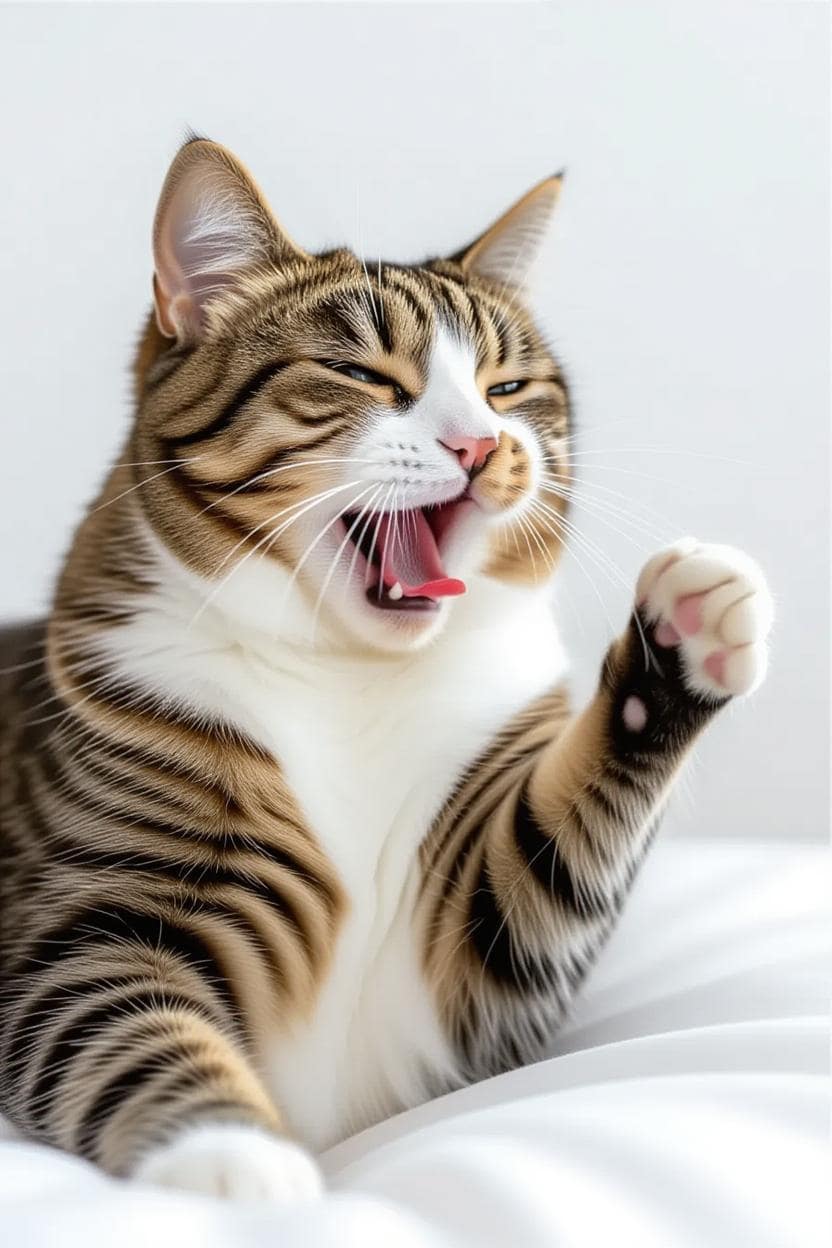
What is Coughing in Cats?
Coughing in cats isn’t as straightforward as sneezing. It’s a forceful expulsion of air from the lungs, often sounding dry or wet depending on the cause. Unlike dogs, cats cough less frequently, so when they do, it’s noteworthy.c88498 Many owners mistake coughing for hairball regurgitation, but true coughing involves no vomit—just a hacking sound with the cat in a crouched position.
Coughing protects the lower respiratory tract by clearing mucus, debris, or fluids. It can be acute (sudden) or chronic (ongoing). Acute coughs might stem from inhaling smoke or a one-off irritant, while chronic ones suggest deeper issues.
Symptoms accompanying coughing include labored breathing, wheezing, or blue gums (indicating oxygen issues)—these are emergencies. Cats may also lose interest in play or food if coughing tires them out.
From observation, coughing cats often hide their discomfort, so subtle signs like increased resting respiratory rate (over 30 breaths per minute) are key to catch.
Causes of Coughing in Cats
Coughing arises from irritation in the trachea, bronchi, or lungs. Top causes include:
Asthma, or feline allergic bronchitis, affects 1-5% of cats.Triggers like pollen or stress cause airway inflammation, leading to wheezing and coughing. Siamese cats are predisposed. Diagnosis involves X-rays; treatment uses inhalers with corticosteroids.
Respiratory infections extend to coughing if they spread lower. Viral URIs can lead to pneumonia, causing wet coughs with fever. Bacterial pneumonia requires antibiotics.
Heartworm disease, transmitted by mosquitoes, can cause coughing as worms damage lungs. Prevention with monthly meds is vital in endemic areas.
Parasites like lungworms or roundworms migrate to lungs, irritating tissues. Outdoor cats are at higher risk; deworming helps.
Foreign bodies in the airways, though rare, can cause sudden coughing fits.Inhaled grass awns are culprits.
Heart disease, like cardiomyopathy, leads to fluid buildup in lungs (pulmonary edema), causing moist coughs.Older cats need cardiac screenings.
Cancer, such as lung tumors, can obstruct airways, prompting coughs. Early detection via imaging improves outcomes.
Environmental irritants—smoke, strong scents—exacerbate coughing in sensitive cats. Improving air quality with filters reduces episodes.
Infections like bordetella can cause kennel cough-like symptoms in cats.
Understanding these causes helps tailor prevention and treatment.
Associated Symptoms: Eye Watering, Squinting, and Sneezing
Often, sneezing and coughing don’t come alone—they bring friends like eye watering and squinting. These symptoms frequently overlap in upper respiratory conditions.
Eye watering (epiphora) occurs when tears overflow due to irritation or blockage.In cats, it’s common with URIs, where viruses inflame the conjunctiva, causing pink eye (conjunctivitis).Squinting signals pain or light sensitivity.
Allergies can cause itchy, watery eyes alongside sneezing. Pollen or dust are usual suspects.
Blocked tear ducts from infections or foreign bodies lead to one-sided watering.
In severe cases, like herpesvirus, ulcers form on the cornea, causing squinting and discharge.
These symptoms amplify discomfort, so gentle cleaning with saline helps temporarily.
When to See a Vet
Don’t wait if sneezing or coughing persists beyond a day or two, or if accompanied by fever, lethargy, or appetite loss.a4a4ee Blood in discharge, difficulty breathing, or weight loss are urgent.
Kittens, seniors, or immunocompromised cats need prompt care to prevent complications.
Diagnosis and Treatment Options
Vets start with history and exam, then may use swabs for cultures, blood tests, or X-rays. For nasal issues, rhinoscopy or CT scans reveal foreign bodies or tumors.
Treatments vary: Antibiotics for bacteria, antivirals for some viruses, antihistamines for allergies. For asthma, inhaled meds via spacers are effective.
Supportive care includes fluids, nutrition, and humidification.Surgery for polyps or foreign bodies.
Home remedies: Steam therapy (bathroom steam), gentle nose wiping, but avoid OTC meds without vet approval.
Prevention Tips for Sneezing and Coughing
Vaccinate against core viruses. Keep indoor environments clean, use air purifiers.
Regular vet check-ups, flea/heartworm prevention.
Minimize stress with enrichment.
Conclusion
Sneezing and coughing in cats can be puzzling, but armed with knowledge, you can act swiftly. From infections to allergies, understanding causes leads to better outcomes. Prioritize your cat’s health— a happy, sneeze-free kitty is the goal. If in doubt, vet it out!
Cat Years to Human Years Calculator: Age Chart Inside

Common Cat Skin Conditions: Atopic Dermatitis, Flea Allergies, Mites, Hot Spots, Scabs, Food Allergies, and Fungal Infections
2 Comments