Top 5 Deadly Cat Diseases: Liver Issues, Infections, Parasites & Distemper Causes
Top 5 Deadly Cat Diseases: Liver Issues, Infections, Parasites & Distemper Causes
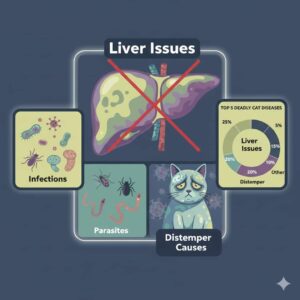 As a devoted cat parent, nothing hits harder than watching your furry companion suddenly seem off—maybe they’re hiding more than usual or skipping their favorite treats. Cats are masters at masking pain, which makes spotting serious health issues tricky. But knowledge is your best defense. In this guide, we’re diving into the top five deadly cat diseases that every owner should know about, from sneaky infections to organ shutdowns that can strike without warning.
We’ll cover liver troubles, viral threats, parasite pitfalls, and that notorious distemper culprit. Armed with the signs, causes, and prevention steps, you’ll be better equipped to keep your kitty thriving. Remember, early vet visits can turn the tide—let’s empower you to protect your purring pal.
Why These 5 Deadly Cat Diseases Matter
Cat health threats aren’t just scary headlines; they’re real risks that claim countless lives yearly. These five—feline distemper, leukemia virus, infectious peritonitis, acute liver failure, and severe external parasite complications—top the list because they’re often preventable yet devastating if ignored. Outdoor adventures or multi-pet homes amp up exposure, while unvaccinated or stressed cats face higher odds.
The good news? Spotting early cues like lethargy or appetite dips can mean the difference between a full recovery and heartbreak. If your cat’s acting “off,” don’t wait—grab that carrier and head to the vet. Staying proactive isn’t just smart; it’s a loving act that could add years to their nine lives.
1. Feline Distemper (Panleukopenia): A Highly Contagious Killer
This viral nightmare, often called feline panleukopenia, spreads like wildfire through contaminated environments, turning playful kittens into shadows of themselves overnight. It’s one of the most aggressive infectious diseases out there, wiping out white blood cells and leaving the immune system in ruins.
Causes of Feline Distemper in Cats (Viral Transmission via Feces, Shared Items)
At its core, feline distemper stems from a parvovirus that hitches rides on feces, vomit, or even shared litter boxes and bedding. Kittens and unvaccinated adults pick it up from infected cats or sneaky surfaces that harbor the virus for up to a year. Crowded shelters or outdoor romps make it all too easy for this stealthy invader to strike.
Symptoms of Feline Distemper (Lethargy, Vomiting, Bloody Diarrhea, Fever)
Watch for the red flags: your cat might start with a high fever and droopy energy, then spiral into relentless vomiting and watery, blood-tinged diarrhea that dehydrates them fast. Some hide in dark corners, refusing food, while others tremble or collapse. In kittens, it can mimic a bad flu before escalating to life-threatening lows.
Diagnosis and Testing for Panleukopenia Virus
Vets zero in with a quick blood draw to check plummeting white cell counts, paired with fecal tests to confirm the virus. Snap tests in-clinic give fast answers, but sometimes PCR confirms it definitively. Ruling out look-alikes like other gut bugs is key too.
Treatment Options for Feline Distemper (Supportive Care, Fluids, Antibiotics)
There’s no magic cure-all, but aggressive supportive care saves lives—think IV fluids to battle dehydration, anti-nausea meds, and broad-spectrum antibiotics to fend off secondary infections. Hospital stays with round-the-clock monitoring boost survival odds, especially for young ones. Nutrition via feeding tubes might kick in if appetite vanishes.
Prevention Strategies: Vaccination and Hygiene Tips
The FVRCP vaccine is your shield—core for all cats, starting at six to eight weeks with boosters. Keep litter scooped daily, quarantine newbies, and disinfect with bleach solutions (1:32 dilution). Indoor living slashes risks, but even house cats need that jab to stay safe.
2. Feline Leukemia Virus (FeLV): The Leading Infectious Threat
FeLV sneaks in quietly, often via close contact, and sets up shop to wreak havoc on the immune system, blood, and even cancer risks. It’s a retrovirus that turns friendly grooming sessions into potential doom for untested cats.
Causes and Transmission of FeLV in Cats (Saliva, Grooming, Bites)
Saliva is the main culprit—think mutual grooming, shared bowls, or playful nips that break skin. Mother-to-kitten passes during nursing are heartbreakingly common too. Once inside, it integrates into cells, making it tough to shake.
Early Symptoms of Feline Leukemia (Weight Loss, Anemia, Recurrent Infections)
Subtle at first: enlarged lymph nodes, feverish spells, or a dull coat from poor grooming. As anemia hits, gums pale, energy tanks, and infections like mouth sores or urinary woes pop up repeatedly. Weight melts away despite hearty appetites early on.
How Vets Diagnose FeLV (Blood Tests, ELISA Screening)
A simple ELISA blood test at the vet flags antigens in saliva or serum—quick and accurate for most. Follow-ups with IFA confirm persistent infections. Kittens get retested post-maternal antibodies fade, around six months.
Managing FeLV: Treatment and Long-Term Care
No cure exists, but management shines: antivirals for flare-ups, blood transfusions for severe anemia, and immune boosters. Dental cleanings curb oral disasters, and a high-quality diet supports waning strength. Stress-free homes extend quality time.
FeLV Prevention: Vaccines, Indoor Living, and Testing New Cats
Annual FeLV vaccines protect high-risk cats, but test first to avoid false alarms. Keep your crew indoors, screen adoptees with pre-home tests, and spay/neuter to cut bite risks. It’s a combo punch for peace of mind.
3. Feline Infectious Peritonitis (FIP): The Mysterious Viral Mutation
FIP’s enigma lies in its origin—a common coronavirus mutating into a body-wide assassin, often in young or stressed cats. The “wet” or “dry” forms dictate the chaos, but both spell trouble without intervention.
What Causes FIP in Cats (Coronavirus Mutation, Stress in Multi-Cat Homes)
Feline coronavirus (FCoV) is everywhere in group settings, causing mild tummy upset at worst. But genetic tweaks plus stress—like overcrowding or illness—flip it to FIP, letting it invade organs and spark inflammation. Not every exposed cat succumbs; it’s a cruel lottery.
Recognizing FIP Symptoms (Wet/Dry Forms: Fluid Buildup, Neurological Issues, Jaundice)
Wet FIP swells bellies with fluid, causing pot-bellied looks and breathing woes. Dry hits eyes, brain, or kidneys with seizures, vision loss, or jaundice’s yellow tinge. Fever, weight drop, and anorexia tag along, making cats ghosts of their former selves.
Diagnosis Challenges for Feline Infectious Peritonitis
It’s a puzzle: fluid taps for protein analysis, bloodwork for sky-high globulins, and biopsies for telltale plaques. PCR spots the virus, but false positives lurk—vets lean on clinical signs and exclusion of mimics like lymphoma.
Breakthrough Treatments for FIP (Antivirals like GS-441524)
Hope’s on the rise with oral antivirals like GS-441524, remdesivir’s cousin, showing 80-90% remission rates in trials. Twelve-week courses, monitored closely, have turned “death sentence” into “manageable.” Supportive care—fluids, pain relief—bridges the gap.
Preventing FIP: Reducing Stress and Environmental Risks
No vaccine yet, but curb FCoV spread with clean litter, fewer cats per space, and stress-busters like pheromone diffusers. Early weaning avoidance and isolated litters help. Hygiene reigns supreme in catteries.
4. Acute Liver Failure in Cats: Sudden and Life-Threatening Organ Shutdown
The liver’s a multitasker—detox, digestion, energy storage—but when it crashes acutely, toxins flood the system, leading to a cascade of crises. Cats’ unique metabolisms make them extra vulnerable.
Common Causes of Liver Failure (Toxins, Infections like FeLV, Hepatic Lipidosis)
Toxins top the list: lilies, acetaminophen, or xylitol send livers into revolt. Infections (FeLV, FIP) inflame it, while hepatic lipidosis—fatty liver from sudden anorexia—starves the organ. Cholangitis or cancer can trigger too.
Key Symptoms of Acute Liver Issues (Jaundice, Vomiting, Seizures, Lethargy)
Yellow gums and eyes scream jaundice, paired with vomiting bile or bloody stools. Seizures from brain toxins, drooling, and circling signal encephalopathy. Lethargy deepens to coma if unchecked.
Veterinary Diagnosis: Bloodwork, Ultrasounds, and Biopsies
Liver enzymes skyrocket in blood panels, bilirubin climbs, and clotting tanks. Ultrasounds spot swelling or masses; biopsies confirm culprits like lipid buildup. Coags tests gauge bleed risks.
Emergency Treatment for Liver Failure (IV Fluids, Feeding Tubes, Detox Meds)
Rush to stabilize: IV fluids flush toxins, glucose combats lows, and feeding tubes force nutrition for lipidosis cases. Sam-e or milk thistle aids regen, antibiotics guard against infections. Dialysis is rare but heroic.
Prognosis and Recovery: Liver Regeneration Tips and When to Consider Euthanasia
With prompt care, 80% rebound from lipidosis, but toxins or cancer dim odds. Regen diets, meds, and follow-ups foster bounce-back. If quality craters—unrelenting pain, no response—compassionate euthanasia spares suffering.
5. External Parasites in Cats: Hidden Dangers Leading to Deadly Complications
Fleas, ticks, and mites seem minor, but in hordes, they drain blood, spread diseases, and invite sepsis—turning itchy annoyances into fatal foes, especially for kittens or the immunocompromised.
Types of Deadly External Parasites (Fleas Causing Anemia, Ticks Spreading Infections, Ear Mites Leading to Sepsis)
Fleas suck blood dry, sparking anemia or tapeworms. Ticks haul cytauxzoonosis—a bobcat-borne killer—or Lyme. Ear mites burrow, causing bacterial storms that sepsis-ify if untreated.
Symptoms of Severe Parasite Infestations (Itching, Hair Loss, Pale Gums, Weakness)
Frantic scratching leads to raw skin and bald patches; pale gums flag anemia. Ticks cause fever, limps; mites ooze black gunk from ears, tilting heads. Weakness and collapse signal crisis.
Diagnosing External Parasite Issues (Skin Scrapes, Fecal Exams for Flea Dirt)
Vets comb for live bugs, scrape skin for mites, or fecal-float for segments. Blood smears catch anemia; tick ID needs a squint under magnification.
Effective Treatments: Topical Meds, Flea Baths, and Environmental Control
Spot-ons like selamectin zap fleas, ticks, mites in one go. Ear flushes with meds clear canals; baths soothe but rinse well. Vacuum daily, wash bedding hot—parasites hide in homes too.
Prevention for External Parasites: Monthly Preventives and Home Cleaning
Year-round topicals or collars shield against bites. Mow lawns short, avoid wild areas. Multi-pet homes? Treat all, including the fish tank—wait, no, but you get it: consistency kills infestations.
Protecting Your Cat from These Deadly Diseases
Wrapping up, these top deadly cat diseases share threads: prevention via vaccines, hygiene, and vigilance. Annual checkups catch brewing storms, while indoor sanctuaries and stress-free vibes fortify defenses. Your vet’s your co-pilot—lean on them for tailored plans. For emergencies, ASPCA’s poison line (888-426-4435) is gold. Here’s to healthier, happier tails wagging through 2025 and beyond.
Common Questions on Deadly Cat Diseases
What is the most fatal cat disease?
FIP often claims the grim crown due to its mutation unpredictability, but FeLV’s long-term toll on cancer and immunity rivals it closely.
Can humans catch distemper or FeLV from cats?
Nope—species-specific viruses keep these feline-only, though good hygiene prevents any cross-contamination worries.
How do I know if my cat has liver issues early?
Subtle shifts like finicky eating or mild jaundice warrant bloodwork; don’t dismiss “just old age” excuses.
Are external parasites always deadly in cats?
Not always, but neglect turns them lethal via blood loss or infections—prompt treatment keeps them pesky, not perilous.
Best vaccines for infectious cat diseases?
FVRCP covers distemper and more; add FeLV for at-risk cats. Consult your vet for the perfect combo.
Frequently Asked Questions About Deadly Cat Diseases
Got questions about keeping your cat safe from those top threats? We’ve rounded up the most common ones based on what cat owners are searching for right now. These answers draw from the latest vet insights to help you stay one step ahead. If something doesn’t fit your furry friend’s situation, chat with your vet—they know best.
What is the most fatal cat disease?
Feline Infectious Peritonitis (FIP) often takes the unfortunate top spot as one of the deadliest, thanks to its unpredictable mutation from a common coronavirus and rapid progression in young or stressed cats. Recent outbreaks, like the 2025 Cyprus surge, highlight how fast-spreading strains can devastate populations, though new treatments are improving outcomes. FeLV comes close with its long-term immune wrecking and cancer links, but FIP’s speed makes it a heartbreaking standout.
Can humans catch distemper or FeLV from cats?
Good news: no, these viruses are strictly feline affairs and don’t infect people. For distemper (panleukopenia), humans can accidentally spread it by touching an infected cat and then handling another without washing up—think mechanical transmission, not catching it yourself. FeLV sticks to cat-to-cat contact via saliva or blood. Still, wash those hands after cuddles to keep everyone safe.
How do I know if my cat has liver issues early?
Early liver trouble can be sneaky, but watch for subtle shifts like a sudden drop in appetite, mild vomiting or diarrhea, increased thirst and peeing, or even a slight yellow tint to the gums and eyes (jaundice). Lethargy or unexplained weight loss are red flags too—don’t brush them off as “senior moments.” A quick blood test at the vet can catch it before it escalates.
Are external parasites always deadly in cats?
Not every flea, tick, or mite spells doom, but heavy infestations can turn deadly fast through severe anemia, skin infections, or even sepsis in vulnerable cats like kittens or the elderly. Things like flea-induced blood loss or tick-borne diseases (e.g., cytauxzoonosis) have high fatality rates if ignored. The key? Monthly preventives keep them from becoming killers—better safe than scratching.
Best vaccines for infectious cat diseases?
The gold standard is the FVRCP combo, shielding against feline distemper (panleukopenia), herpesvirus, calicivirus, and more—it’s a must for all cats, with boosters every 1-3 years. Add FeLV for outdoor or multi-cat households, and rabies per local laws. In 2025, vets might tweak for emerging risks like FIP (no vaccine yet, but watch for updates), but always tailor to your cat’s lifestyle with a pro consult.

Why Are Male Calico Cats So Rare? Genetics and Fun Facts

Common Cat Skin Conditions: Atopic Dermatitis, Flea Allergies, Mites, Hot Spots, Scabs, Food Allergies, and Fungal Infections
One Comment